I've Run Android Poker Bot Farms Since 2019.
I've been on a phone-farm floor at 2am replacing a USB hub.
My take in 30 seconds
Every "poker bot APK download" link on the open web is crypto malware, a fake login form, or a non-functional binary that opens once and crashes. I've tested dozens. None of them play poker. The few projects that play well never ship a public APK. They run private custom builds on real devices behind a profiling agent for clients paying engineers to keep them alive.
There's no Play Store listing. There's no Telegram drop. These builds are deliberately kept operator-side, not consumer-side. Public distribution kills them as soon as a rooms-side security team grabs a copy.
What an Android poker bot looks like on a rack
The room's actual app runs on a real Android handset (rooms read the device fingerprint). A separate process, the agent layer, reads the screen, decides actions and posts taps. A third store holds opponent profiles, hand history, and per-seat economic state. On a real farm you have 20-200 of these seats stacked on shelves, USB-hubbed to a couple of mini-PCs, on residential or 4G IPs.
Three things that work
Real devices, not emulators
Bluestacks and Genymotion get flagged inside a session. Real handsets with fresh Google accounts, aged a week each, hold up much longer.
Per-opponent profiling
The agent has to soften vs fish and tighten vs regs at the same table. Static GTO leaks money fast in low-rake Asian apps.
IP discipline
One residential or 4G IP per device. Datacenter IPs drain bankrolls inside a single afternoon.
Compatibility: tested devices
| Device class | Real-world stability | Fingerprint | My note |
|---|---|---|---|
| Pixel 4a / 5a (stock) | Good | Clean | Stock firmware, no surprises. |
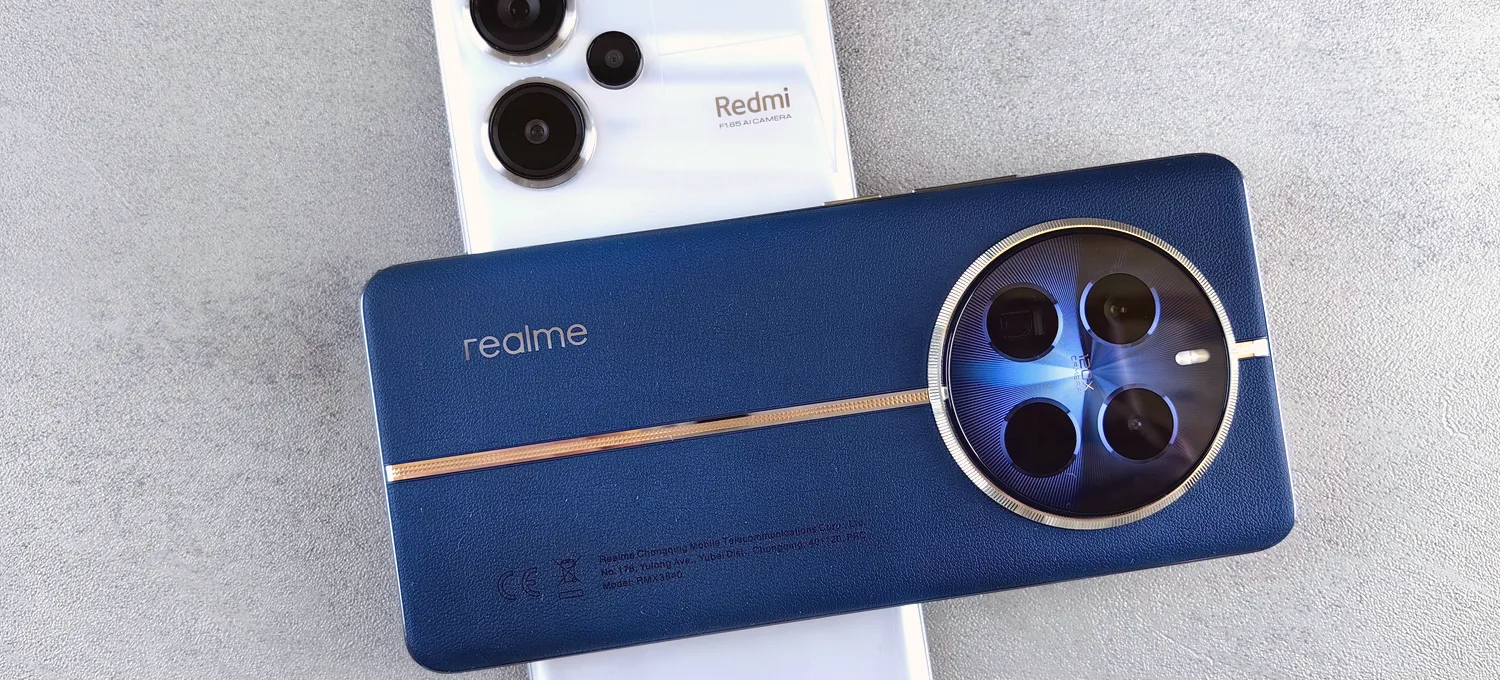
| Xiaomi Redmi 9-12 (MIUI) | Okay | Mixed | MIUI side-loads weird permissions, watch the agent. |
| Samsung A-series | Good | Clean | OneUI is fine, just disable Bixby. |
| Android emulators (Bluestacks etc.) | Bad | Burnt | Detected. Don't. |
| Cloud phones (Redfinger etc.) | Bad | Burnt | The datacenter fingerprint produces the same outcome. |
What the economics look like
A 60-seat farm built on Pixel 4a-class hardware costs me roughly $9-12K to stand up including devices, USB hubs, mini-PC controllers, power supplies, racks, residential proxy contracts and the agent licence. That's before any engineer time. Running cost per month sits around $1.8-2.4K in proxy and electricity. The bot loses ~20-25% of seats per month to bans, account flags, and dead handsets, and patching around that loss won't replace planning for it.
The other half is the agent layer. Even with a strong agent, you lose half your edge to decision latency, limited table vision and rooms-side anti-collusion downgrading winning accounts. Six-figure ROI happens in operator-grade clubs with controlled liquidity. It doesn't happen at NL10 on a public app, no matter what a Telegram seller tells you.
Verdict
Running Android poker bots requires engineering; free browser downloads won't do the job.
Keep reading
What a phone-farm looks like
Shelves, USB hubs, residential IPs, what it costs and how it breaks.
2Why every APK link is a scam
Three flavours of fake "poker bot APK" and how to recognise each one inside 30 seconds.
3What the top search results are
A dated audit of the first 20 Google results for "poker bot android": play-money games, dead apps, desktop code and one sideloaded APK.
4What Google Play returns for "poker bot download"
A dated check of 58 store apps, and what permissions a sideloaded poker bot installer asks for.
5Zynga Poker bot for Android
What 11 search results turned up on 7 October 2026, and why a play-chip game is a separate question from real-money bots.
6Discord poker bot vs an Android cheat
Eleven search results from 11 October 2026: a dealer bot for friends in a chat server is a different thing from a tool for a real-money room.
7Playing poker against bots on Android
21 Google Play listings from 14 October 2026 sorted by what they promise about the opponent: offline AI, trainers, and online tables.
8Poker AI apps on Android
20 Google Play solver, trainer and odds apps from 18 October 2026, and what three rooms write about using such tools at the table.
9Talk about a real build
We don't ship APKs. We build operator-side bots for private rooms with engineers on call.